Documentary
I, Arapiuns River (Eu, Rio Arapiuns)
Brazil, 2026 | 93 minutes | Portuguese and Spanish
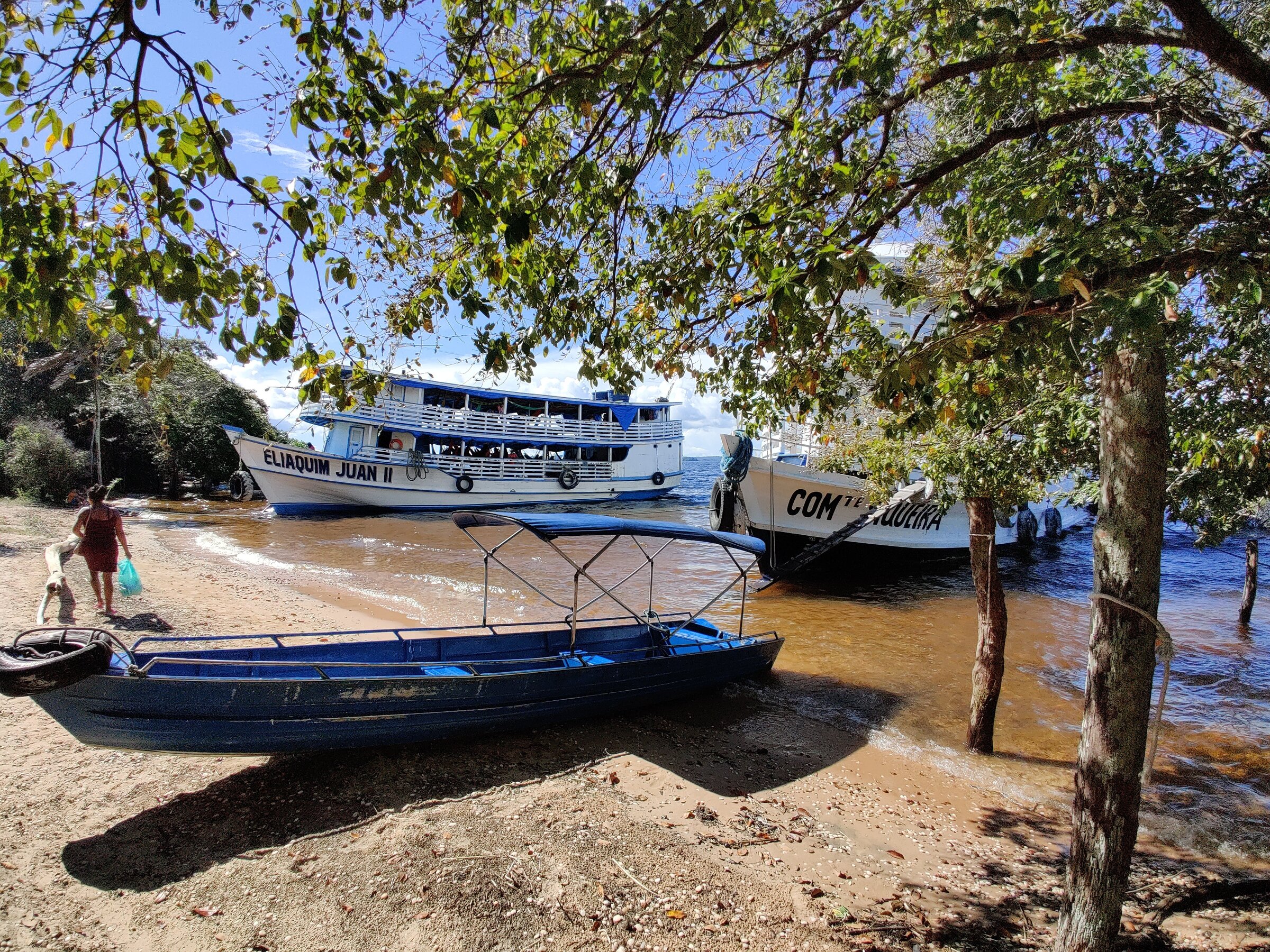
What happens when a river subjected to exploitation becomes the centre of a movement for its legal recognition as a subject of rights? How might recognising it as a legal subject help defend the relationships, the present and the possible futures of the human and more-than-human communities intertwined with its waters?
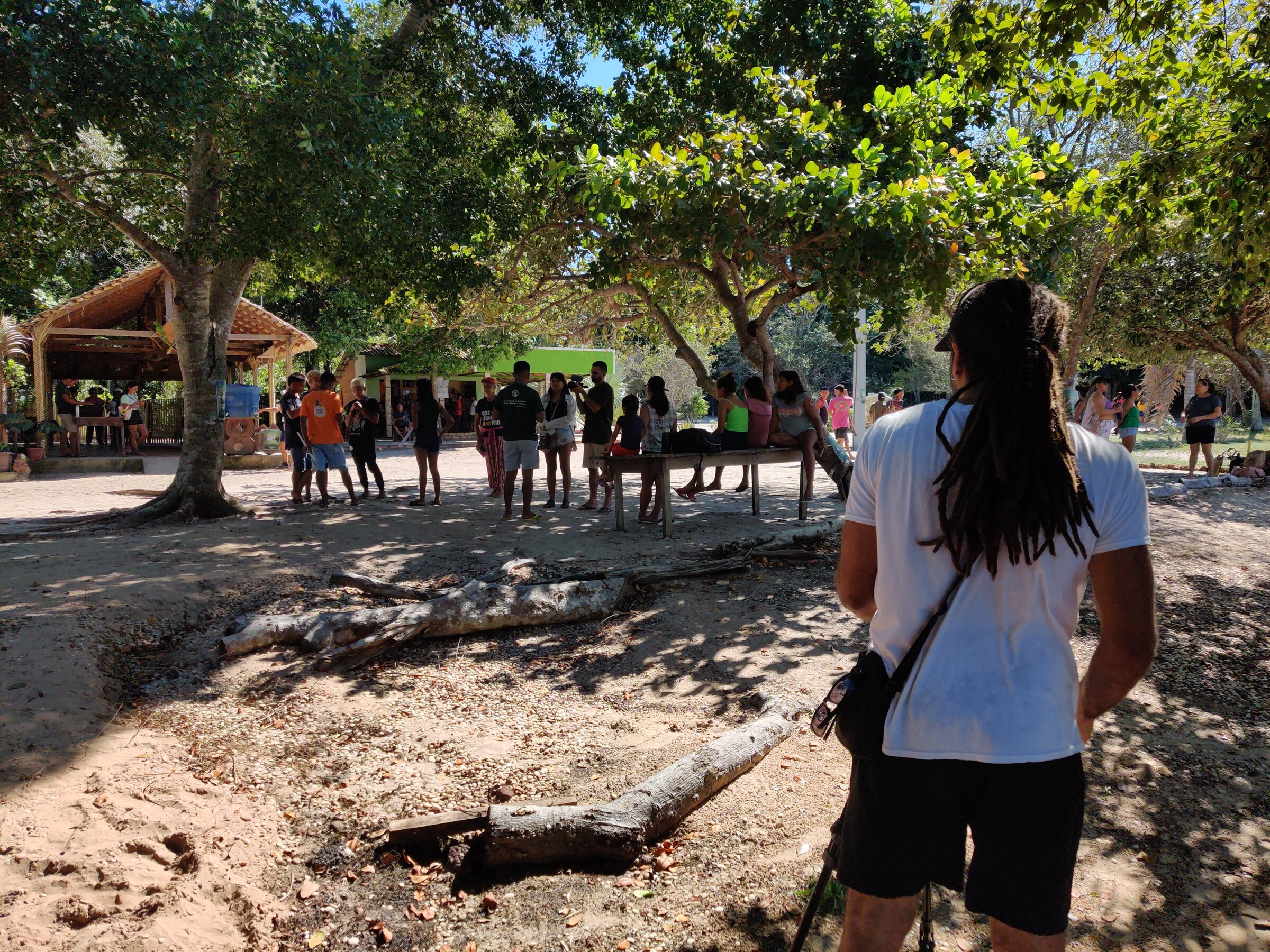
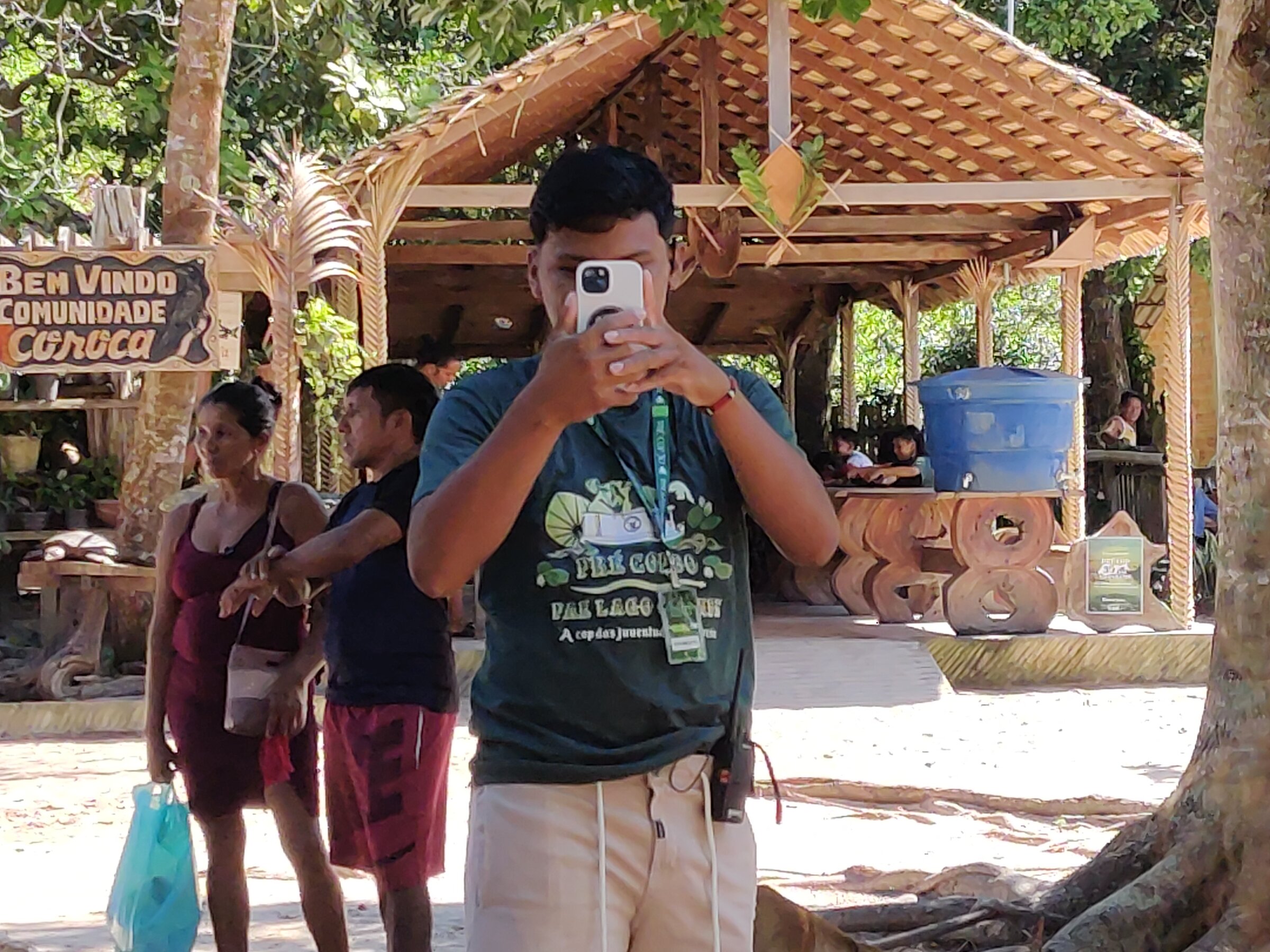
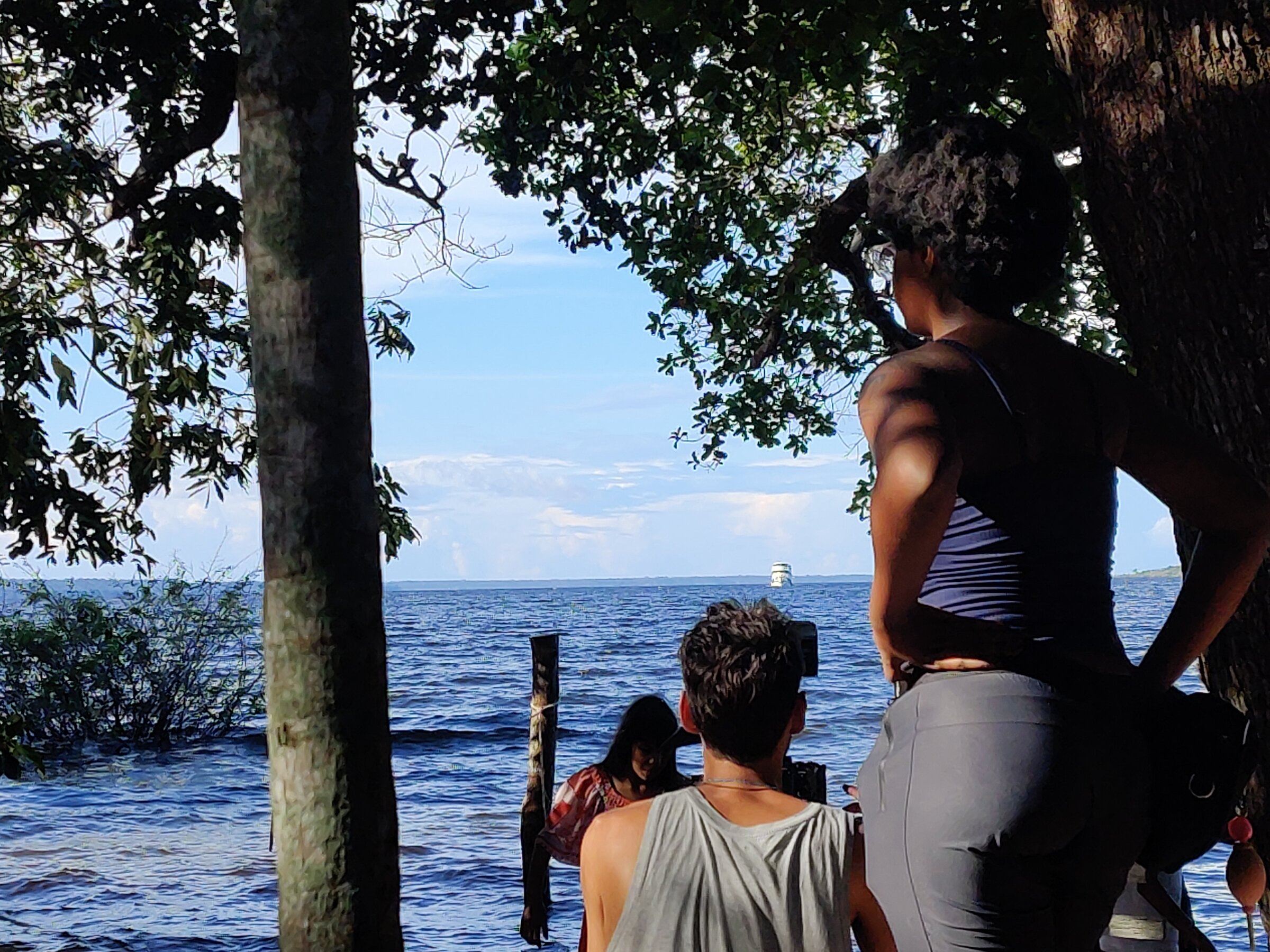
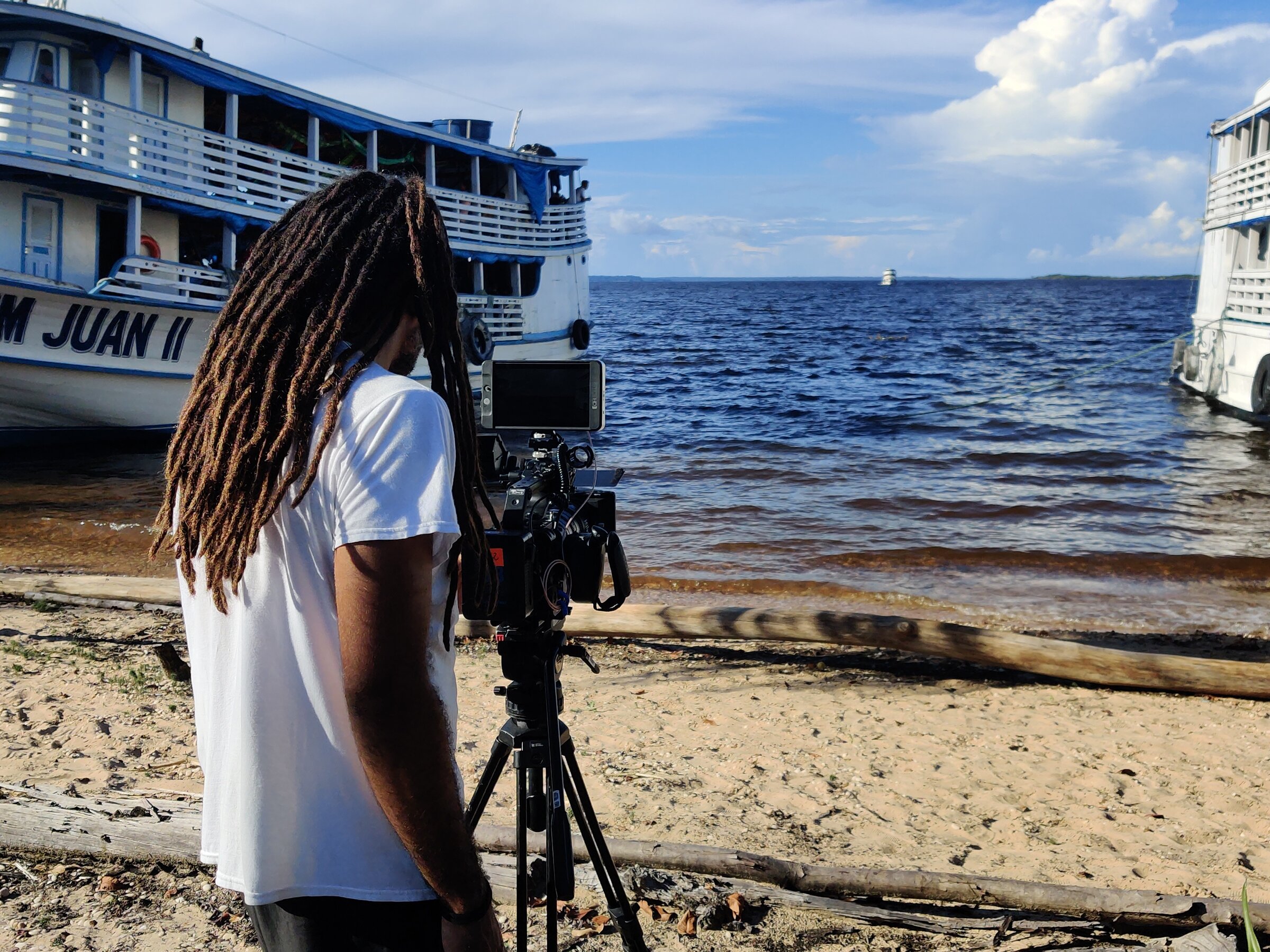
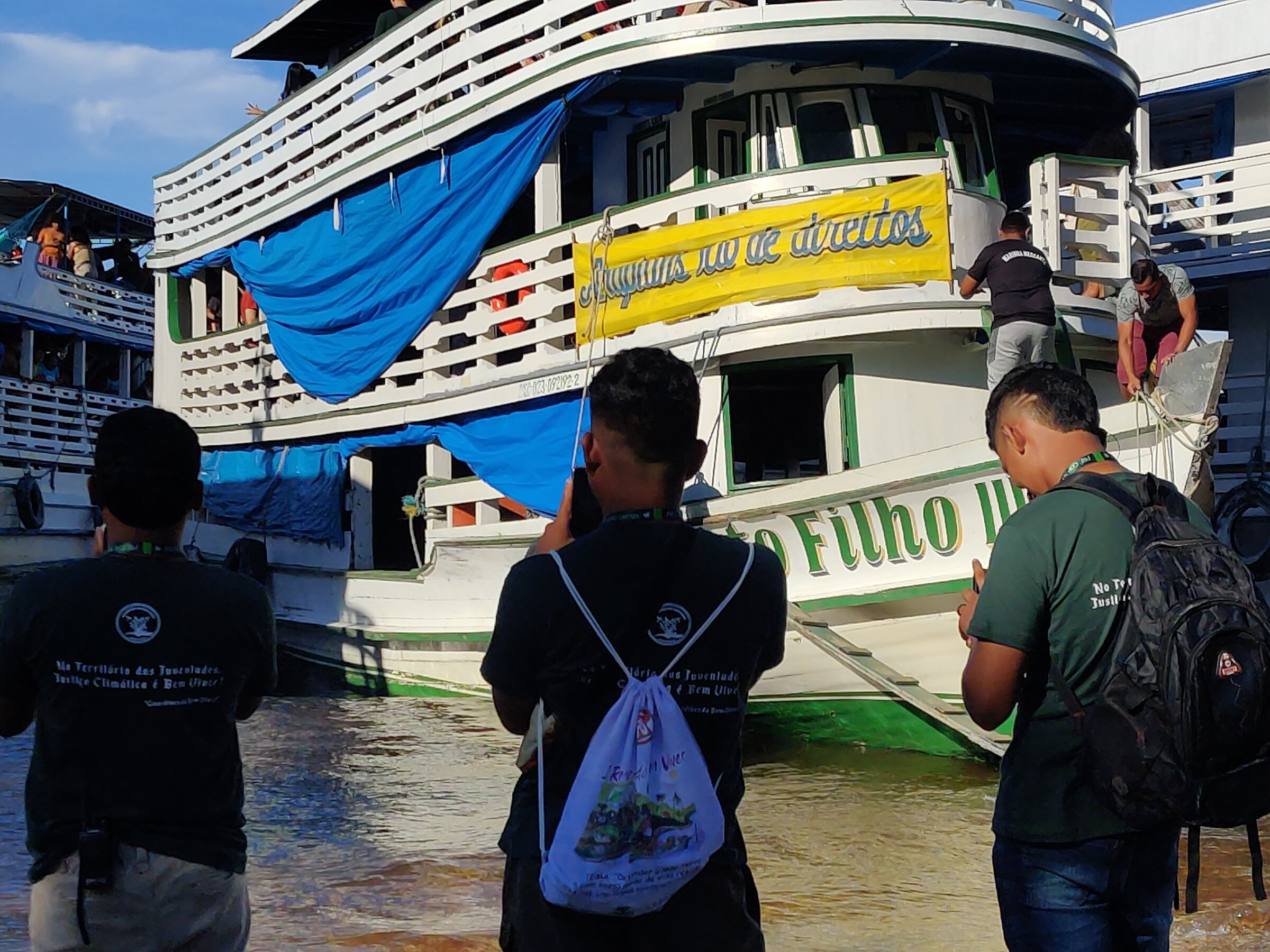
I, Arapiuns River follows the Guardiões do Bem Viver (Guardians of Good Living), a collective of young people mobilising for the recognition of the Arapiuns River, in Santarém, Brazil, as a living entity and bearer of rights. Their struggle emerges from the river's history of exploitation and its enduring centrality to Amazonian life.
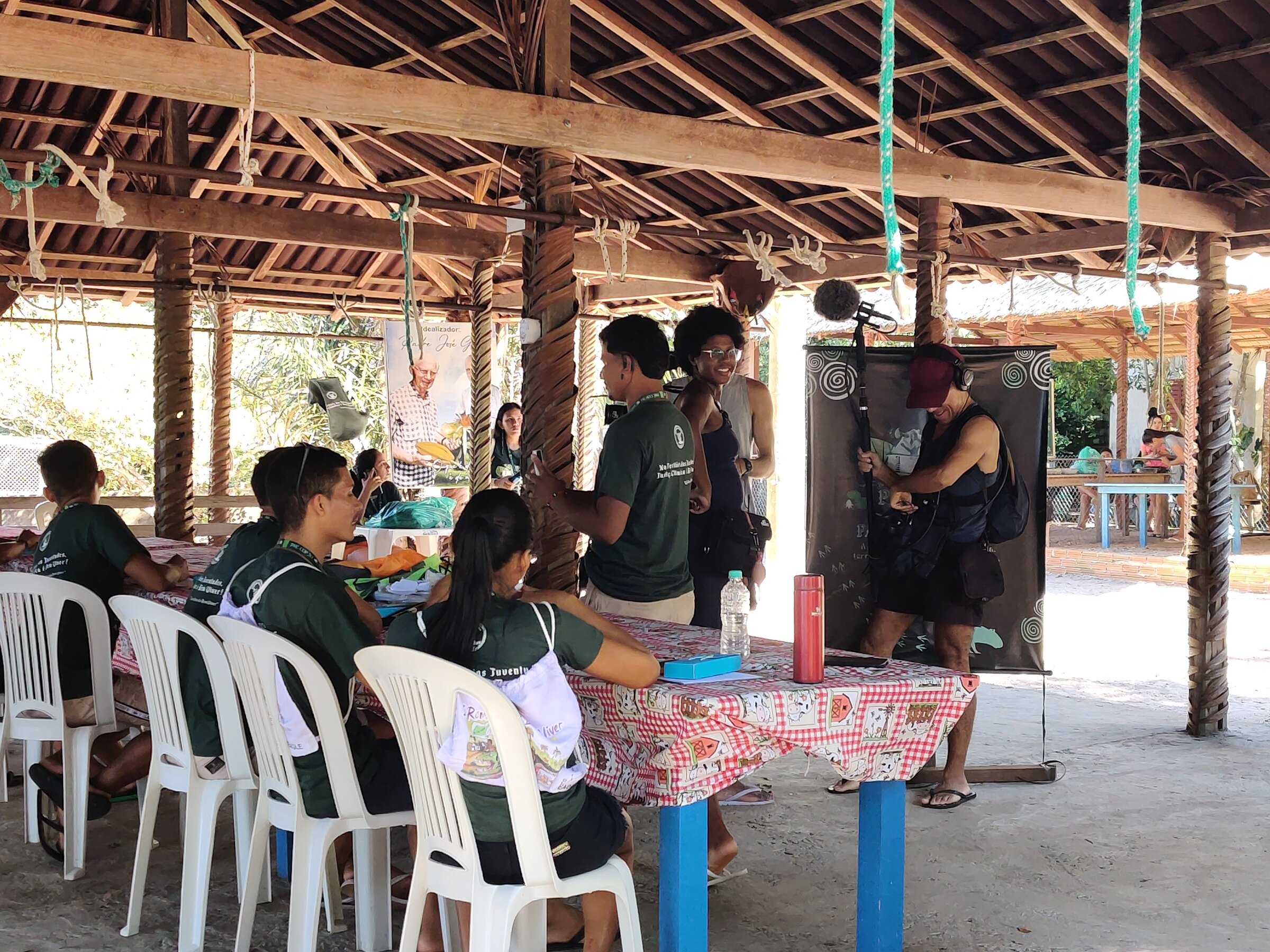
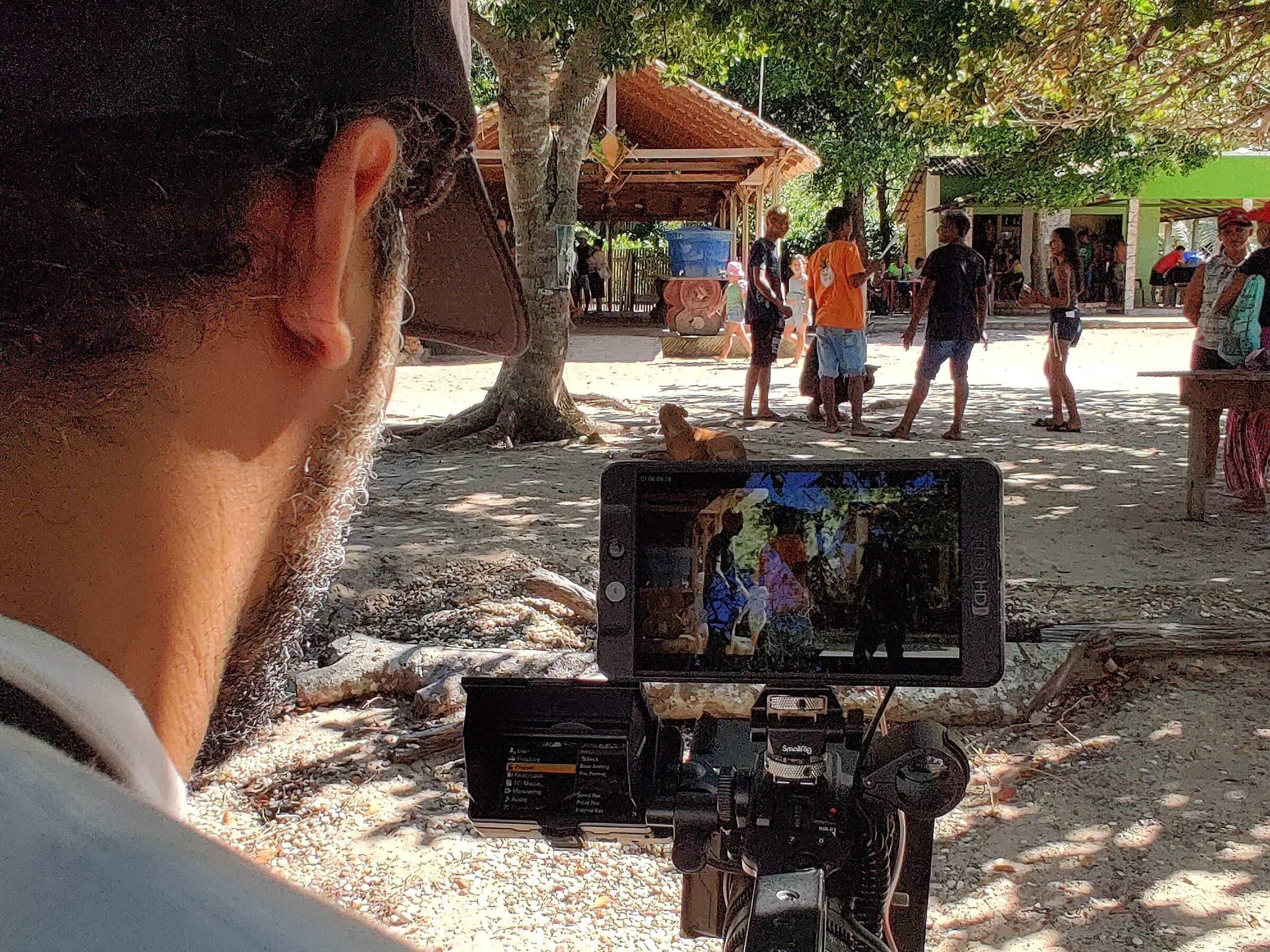
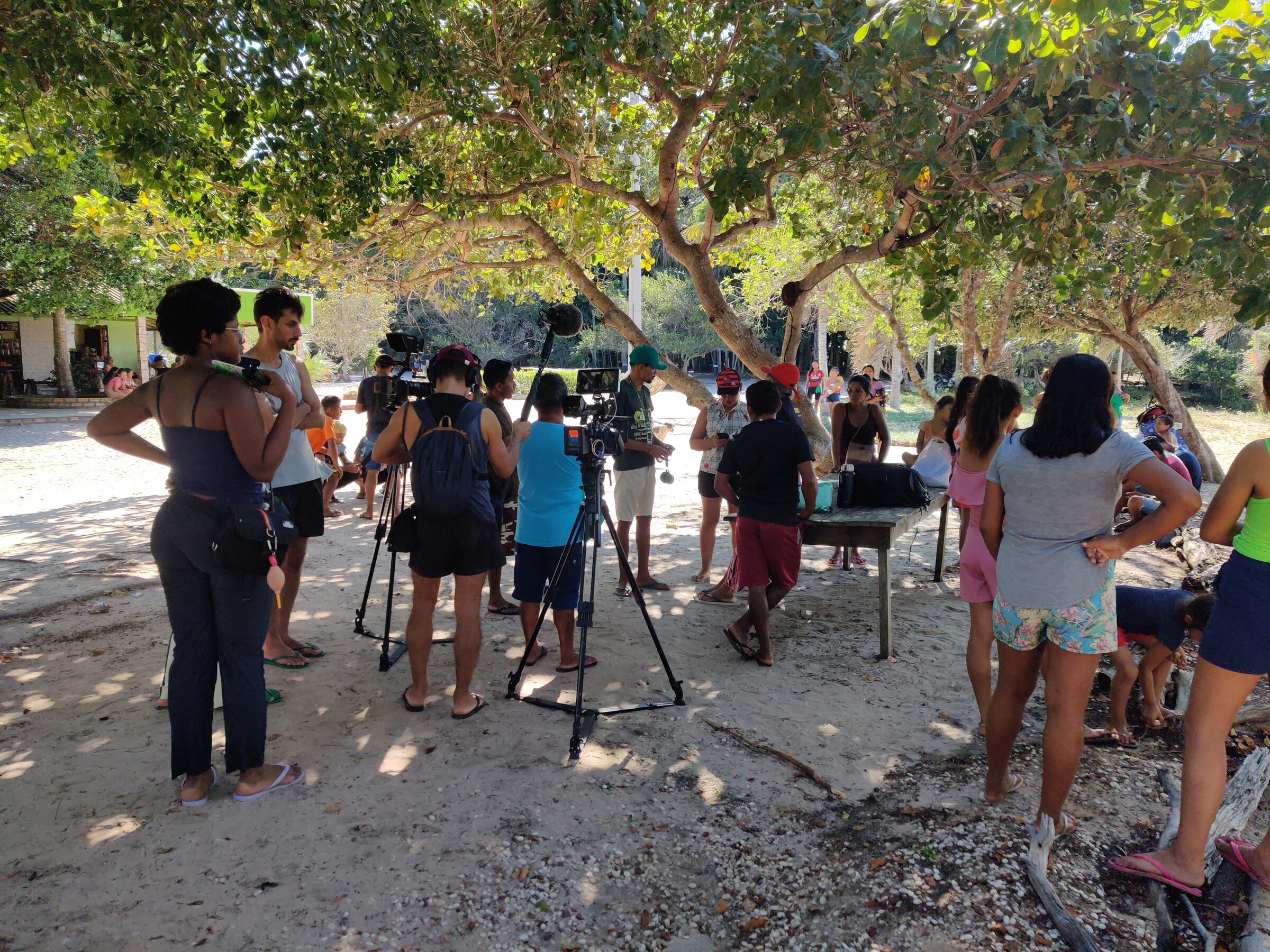
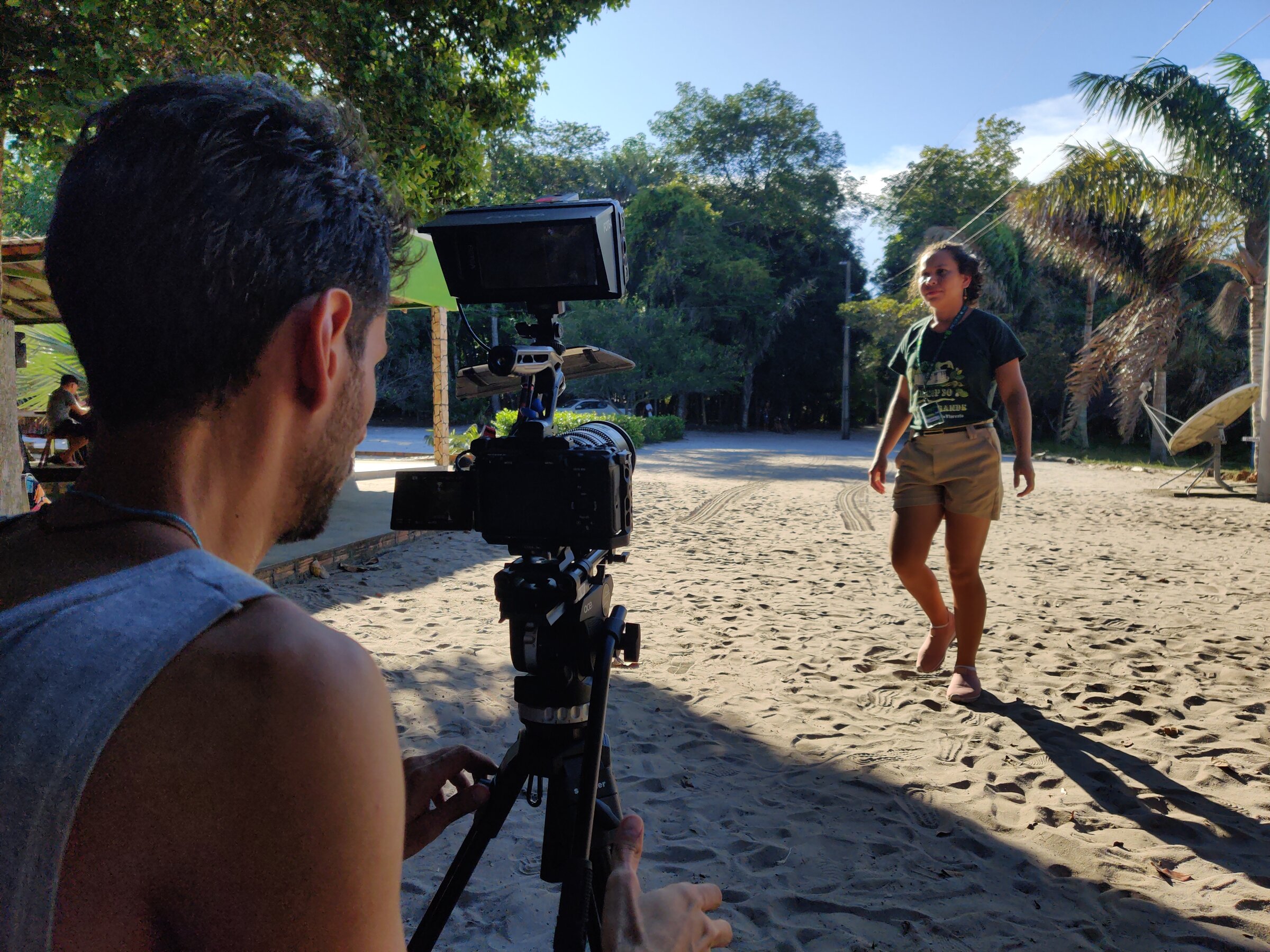
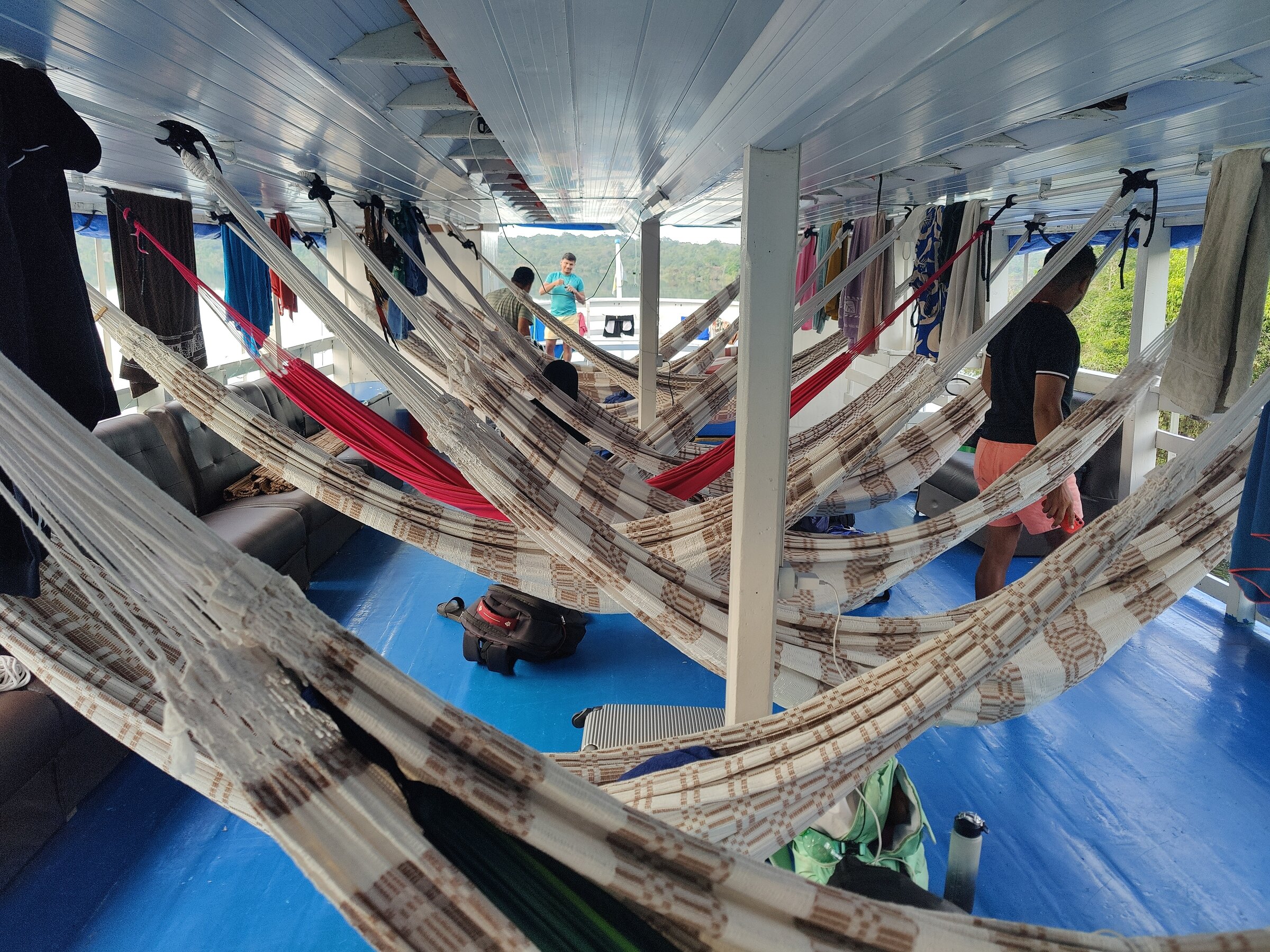
Filmed during Pre-COP 30: The Forest Youth COP, ahead of the 2025 UN Climate Change Conference in Brazil, the documentary follows members of the collective through the Amazon basin to Colombia, where the Supreme Court recognised the Colombian Amazon as a subject of rights in 2018. Their journey reveals how legal ideas travel across borders, communities learn from one another, and the defence of rivers and forests becomes part of wider struggles over self-determination and ecological futures.
Produced by A Risco Filmes and directed by audiovisual artist and scholar Cecília Oliveira, the documentary was supported by a select group of award-winning film professionals and the research team of the Amazon of Rights project. The film production brought together more than 20 audiovisual experts alongside local collaborators and the Guardiões do Bem Viver collective.
The film emerged from Amazon of Rights, an international research project supported by the Volkswagen Foundation. Conducted between 2023 and 2026 across the Brazilian, Peruvian, Colombian and Ecuadorian Amazons, the project brought together researchers, artists, filmmakers, Indigenous communities and local organisations to explore the Amazon as a living juridical landscape. Its other outputs include the Amazongraphies, reports on ecocentric normativity and Amazonian legal struggles, and the forthcoming CUP volume Amazon of Rights.
The project's funding also reflects a contradiction central to its critical approach. Although the Volkswagen Foundation is institutionally independent of the Volkswagen corporation, the latter has a history of involvement in the exploitation of Amazonian land and labour. The project has sought to confront this tension openly, recognising that critical research is itself entangled in the political-economic structures it examines, as the research team has reflected.
I, Arapiuns River invites viewers to encounter the Amazon through its inhabitants' struggles and aspirations, and to consider how recognising rivers and forests as bearers of rights might challenge legal boundaries and celebrate the profound interdependence between the rivers and the peoples who inhabit them.